The Silent Sufferers of War
Per the words of Dr. Pilot, “Wars are not only humanitarian crises. They are also environmental disasters.”

The devastating consequences of war are felt globally. The confusion and tragedy that surrounds conflict sends ripples across our planet like throwing a grenade into a pond; elders, adults, children and the silent sufferers - the animals.
Suffering Inflicted by Humans
Abandoned Pets
Amid the mass exodus fleeing the Middle East from the effects of the Iran War, pets are being abandoned in the desert. After being brought to a foreign land, they are left to fend for themselves simply because their owners did not prepare their paperwork for international travel. Sadly, their chance for survival in a desert climate is low, especially in the summer.
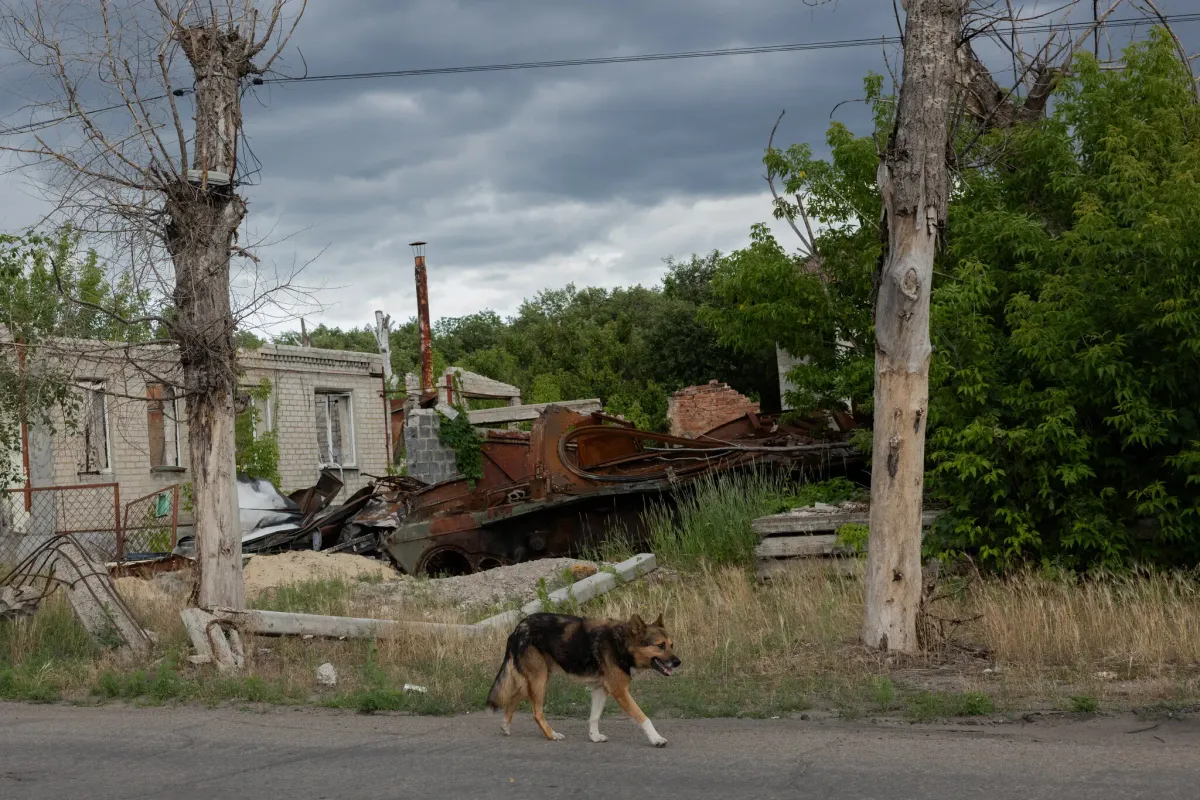
Across the stretches between the Middle Eastern conflict and the war torn borders of Ukraine, stray and abandoned dogs on the frontline of the Ukraine - Russian War, have been tracked by scientists as changing to resemble and behave more like wild dogs species (wolves, coyotes, dingoes etc.) due to the effects of living near the frontline and needing to adapt to the hostility of their environment.
Dubious Animal Rescue
Even organizations with the reported motives of 'helping animals affected by war' should be viewed with a skeptical eye:
Israeli organization 'Starting Over' is "liberating the enslaved" donkey and horse populations in Gaza killing and stealing them, in order to limit the transportation capability and livelihood of Gazans amidst the ongoing conflict. Another Israeli initiative, 'Project Donkey Flights', has this past December brought itself and Germany under scrutiny after four donkeys were transported from Gaza to a zoo in Oppenheim, while 20 injured Palestinian children urgently needing medical treatment were rejected by the German federal government in September.
Targeted Abuse
Animals are targeted because of where they live and who their owners are - punished for events fully out of their paws:
An Israeli settler was filmed abusing a dog owned by Palestinians in the West Bank village of Atara. Lucy, was tied up outside of her owner's home where she was beaten unprovoked. Maryana Abodoly, founder of Petaxi, an animal transportation service operating in Israel and the West Bank, said she frequently receives reports of animals allegedly attacked by Israeli settlers, though many incidents are never documented.
It just goes to show, that no matter where the frontlines are, the suffering remains the same, for all species.
Military "Collateral Damage"
Animals are both utilized and conditioned by multiple military establishments. Reportedly, every year, more than 10,000 animals are shot, stabbed, mutilated, and killed in US military training exercises that purportedly prepare soldiers for treating trauma on the battlefield.
Dogs are also being trained as weapons of torture, in the report, “Another genocide behind walls” testimonies from Palestinian former detainees from the Gaza Strip released by Israeli forces reported being subjected to various forms of systematic sexual violence, including the use of dogs to physically torture detainees. The report does include graphically accurate descriptions of the torture, readers be advised.
Additional information coming from the soldiers of the Israel Defense Forces, stationed in the closed military zone of the Netzarim Corridor, about the "dog line" policy; an invisible perimeter around their positions where any Palestinian who crossed it was shot, with no warning. The name comes from the roaming packs of wild dogs who are now conditioned to consume the bodies of the fallen. The Gaza Health Ministry puts the current death toll beyond 45,000, and the IDF’s official line is that it "follows international law."
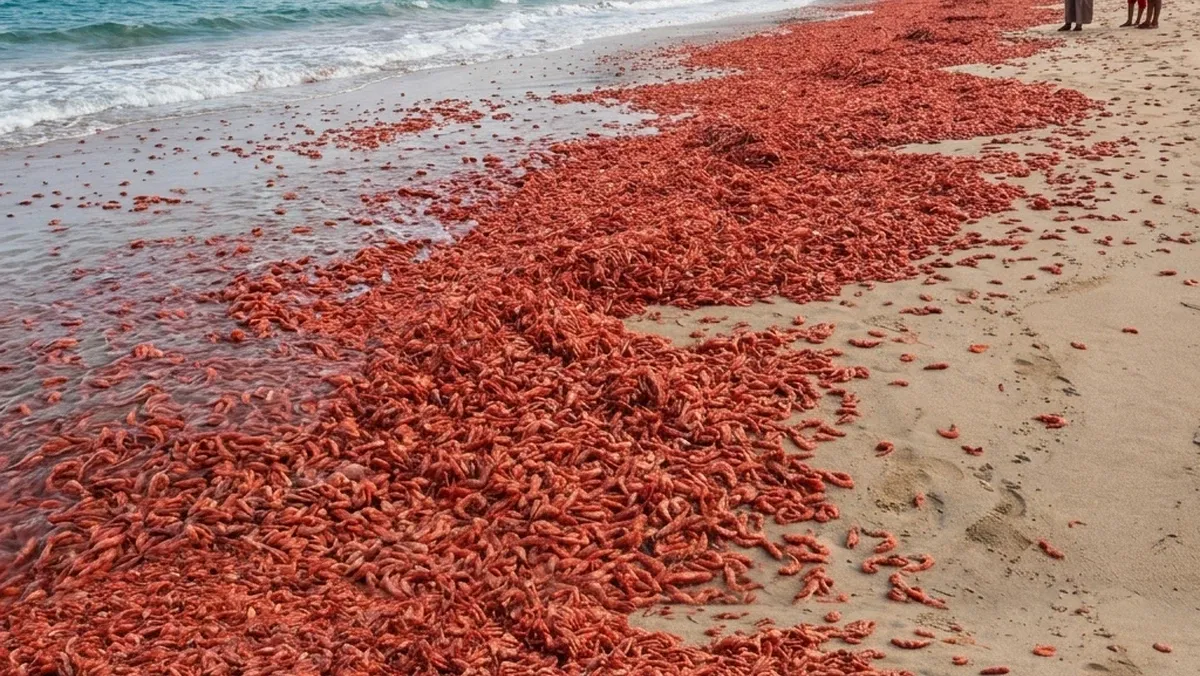
Beaches in Oman are awash with the red hue of dead shrimp, yet authorities insist that such effects are common and natural - not at all related to bombings in the region.
But There is Hope
Nuclear Recovery
The threat of nuclear warfare looming over our planet calls the effect of radiation on the environment and its native species into question. Studies show that the high levels of radiation from the Chernobyl Nuclear Disaster killed the area's trees (now known as the Red Forest) and within the Exclusion Zone some mutations did occur in plants and animals, but despite radiation levels, rare species have been returning in large numbers to the area including lynx, European bison, beavers, moose, wolves and wild boars.
Przewalski’s Horse, formerly extinct from the area and artificially reintroduced also has flourishing populations. Species diversity and populations are healthier now than in most other forests in Eastern Europe leading the Ukrainian government to establish the Exclusion Zone as one of the largest wildlife sanctuaries in Europe in 2007.
So take hope, that even in the event of nuclear fallout, the environment and its creatures can and will bounce back with time and care.
Healing Trauma
With the tragedies and terrors that stalk the battlefields of war, it can be difficult to see any positivity or hope of an end in reach, but light can be found even in dark times. A report that rescued animals from the war-torn streets of Gaza are bringing comfort and joy to Gaza's children through healing sessions where the children are encouraged to play, draw and engage with the animals, helping them express emotions in a safe and relaxed setting. Project leader Rashid Anbar says “the natural presence of animals and birds, with their vibrant colours, absorbs negative energy.” He explains, “interacting with them fosters happiness and positive energy.”
How to Help
The organizations listed below are known for providing or facilitating aid, food, medications, shelter and veterinary services to animals in areas impacted by active conflict.
- International Fund for Animal Welfare (IFAW)
- FOUR PAWS International: Also facilitates rescue missions for zoo animals and big cats from war zones like Gaza, Syria, and Iraq.
- Network for Animals
- War Paws