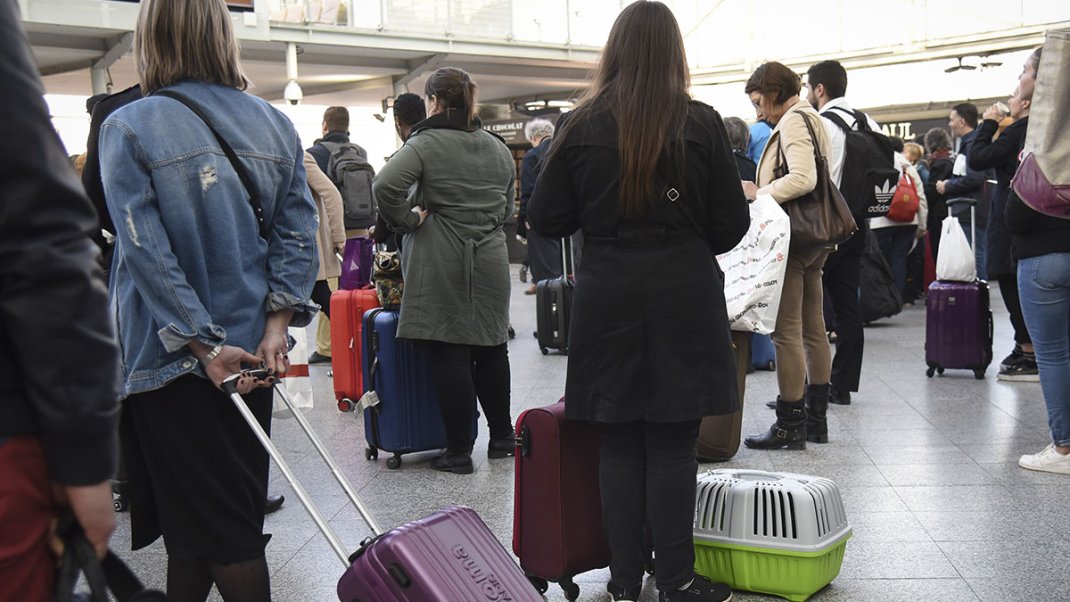
Pets Abandoned as Owners Flee Conflict Zones
Countless pets are left behind amidst the mass exodus of refugees and expats fleeing Dubai as the Iran War affects much of the Middle East.

Since the United States and Israel began attacking Iran on February 28th, the conflict has rapidly spread across the Middle East, displacing and stranding millions of people. and their pets The commercial airspace is currently closed in the following countries: Bahrain, Iran, Iraq, Israel, Jordan, Kuwait, Lebanon, Qatar, Syria and the UAE (may change at short notice). Some flights still operate out of the southern part of Saudi Arabia and Oman.
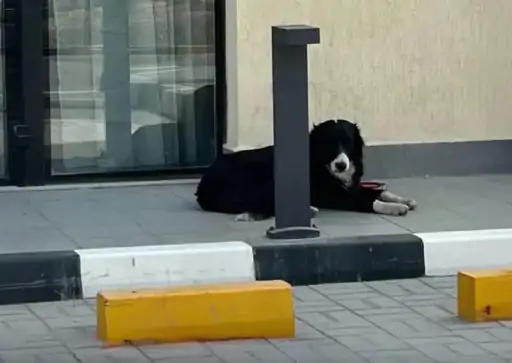
Healthy pets are being euthanized.
Clinics across Dubai say euthanasia requests have surged as fleeing owners choose to leave their animals behind to avoid relocation costs.
If you and your loved ones are intending to flee current hostile areas and are unable to bring your pets with you, please do not abandon your pets in the desert. Do not leave them tied up outside or left locked in a carrier, this is a cruel death sentence and they deserve a fighting chance.
Preparing your Pet for Departure
Regardless of whether you are leaving the UAE or any other location suffering active military conflict, preparing as early as possible is always the best first step. Always be sure to double check the specific requirements of any country you are planning on entering in advance of scheduling your travel plans. In countries with active military conflict, border regulations are being relaxed to help aid people fleeing conflict zones, so staying up to date when planning to leave the country is vital.
From the Gulf countries, air travel is usually the most efficient route for the majority of destinations. In most cases, pets will need:
- A microchip registered with the relevant municipality
- Up-to-date vaccinations, including rabies
- A vaccination booklet or pet passport listing the pet’s microchip number, breed, age and medical history
- A veterinary health certificate (usually issued within 5-7 days of departure), confirming the animal is fit to travel
- An import permit for the destination country
- A rabies titer blood test (RNATT) for certain destinations, confirming immunity following vaccination.
This pertains to any form of travel through foreign borders, whether by car, plane or boat.
Air Travel and Approximate Costs
Airlines operating from the UAE offer several options for traveling with pets, with prices varying depending on the airline, the animal’s size and the destination. Some carriers allow smaller animals to travel in the cabin, provided they meet strict weight and carrier requirements. Etihad Airways permits cats and dogs in the cabin on certain routes, as long as the combined weight of the pet and carrier is typically under 8 kilograms and the animal travels in a soft-sided, ventilated carrier that fits beneath the seat. Because the pet travels inside the passenger cabin rather than in the aircraft hold, the service is priced at a premium, costing around $1,500 in Economy Class.
Other airlines transport animals as checked baggage or cargo in specially designed sections of the aircraft hold. Emirates generally requires pets to travel this way rather than in the passenger cabin, except for service animals and falcons. Pricing is determined by the combined weight of the pet and its travel crate, starting at around $500 for animals weighing up to 23kg, rising to approximately $650 for pets between 24kg and 32kg, and reaching about $800 for larger animals exceeding 32kg.
Qatar Airways allows dogs, cats and birds to travel as checked baggage in an IATA-compliant carrier. Pet travel requests must be submitted at least 48 hours before departure, and animals must have valid vaccination and health documentation. For pets weighing up to 32kg, fees typically range from around $200 on flights to or from Qatar to approximately $350 on other routes, while larger animals weighing between 32kg and 75kg generally cost between $300 and $450, depending on the destination.
- Pets must be microchipped, at least four months old and accompanied by a valid veterinary health certificate issued within ten days of travel.
- A pet travel request form must also be submitted in advance.
What if my pet needs to travel alone?
Emirates SkyCargo has recently introduced a dedicated team to manage pet transportation requests from the UAE, offering more structured, end-to-end support for pets that need to travel alone. The team handles all pet-related enquiries and bookings, guiding owners from the initial request through to final handover. The process begins with securing a space on a flight and receiving a quotation based on weight and availability. Once confirmed, pet owners must complete a detailed documentation process at least 72 hours before departure, including submitting photographs of the animal, vaccination records, microchip details and relevant health certificates, along with any destination-specific approvals such as EU or UK clearances.
Crossing the Overland Border to Oman
For residents considering departure flights from Oman, crossing with a pet follows a clear set of veterinary requirements. While the process is manageable, it does require preparation before arriving at the border.
- Only two pets per person are allowed.
- Pets must be microchipped.
- Dogs must have valid rabies and DHPPi vaccinations. If the rabies vaccination is a primary vaccination rather than a booster, it must be administered at least 30 days before travel.
- Cats must have valid rabies and TriCat vaccinations. As with dogs, the rabies vaccination must be at least 30 days old if it is the primary vaccination.
- A rabies titer blood test (RNATT) is required to confirm immunity following vaccination.
- An import permit for Oman must be obtained for each pet before arrival.
- A veterinary health certificate, confirming the pet is fit to travel, must be issued within 10 days of departure.
- Under temporary measures introduced by Omani authorities in response to the current regional situation, the usual 90-day waiting period following the rabies titer test has been lifted. This means pets may now be able to enter Oman once the blood sample has been taken and the test receipt issued, rather than waiting for the full waiting period to pass. An import permit from Oman is still required. The adjustment reflects a practical step by Omani authorities to help accommodate travelers with pets during a period of uncertainty while still maintaining the country’s animal health safeguards.
What if your pet cannot travel immediately?
Even when owners are prepared, pets cannot always travel on the same timeline as their families. Veterinary paperwork, flight availability and destination requirements can all affect the schedule, especially if/when the unexpected happens. Some of the most common situations include:
When your pet’s documentation is still being processed
Certain requirements – such as rabies titer blood tests or import permits – take time to complete. If travel plans change before the paperwork is ready, locate a licensed boarding facilities or entrust your pet with friends in your current country who can care for the animal until documentation is finalized.
When your destination has strict entry rules
Some destinations – including the United Kingdom and parts of Europe – require additional veterinary procedures and waiting periods after rabies vaccinations. Starting the process early allows pets to remain safely in your active location until travel is permitted.
K9 Friends Dubai, one of the Emirate's best-known dog rehoming organizations stated; “We understand the situation is tense and that there are families trying to return to their home countries for safety reasons. We implore you to take your pets with you,” adding that it is offering assistance to help people travel with their animals.
Positively, on 8 March, Dubai Municipality launched what it called 'Ehsan Stations' which are AI-powered smart feeding devices being installed across public parks and Dubai Holding facilities. These 12 new stations can identify stray animals, collect data and dispense food automatically, helping stray animals and abandoned pets stay fed and hydrated during these arduous times.
Useful Links




 Future Internet